Flexible packaging is suitable for food use when it is engineered to meet strict safety, preservation and regulatory standards — meaning it is non-toxic, provides the right barrier against oxygen, moisture and light, is produced under hygienic, fully traceable conditions, and is durable, sealable and temperature-resistant for its specific application.
There are a number of key differences from non-food packaging. For each product or use, the exact specification needed can be arrived at by considering the required level of adherence to the following features:
1. Non-toxic with no chemical transfer
Food-grade flexible materials must not transfer harmful chemicals, odours, or flavours to the food. They’re tested to meet regulations (such as EU standards), ensuring low migration of substances into food. This requirement is a feature of all food-contact safe materials and non-food packaging doesn’t always meet these strict limits.
2. Barrier properties
Many food products require packaging with barrier properties. The barrier is designed to keep out anything that can spoil food when in contact with it, such as:
- Oxygen (causes oxidation and rancidity)
- Moisture (can dry out or spoil food)
- Light (can degrade nutrients and flavour)
- Microorganisms
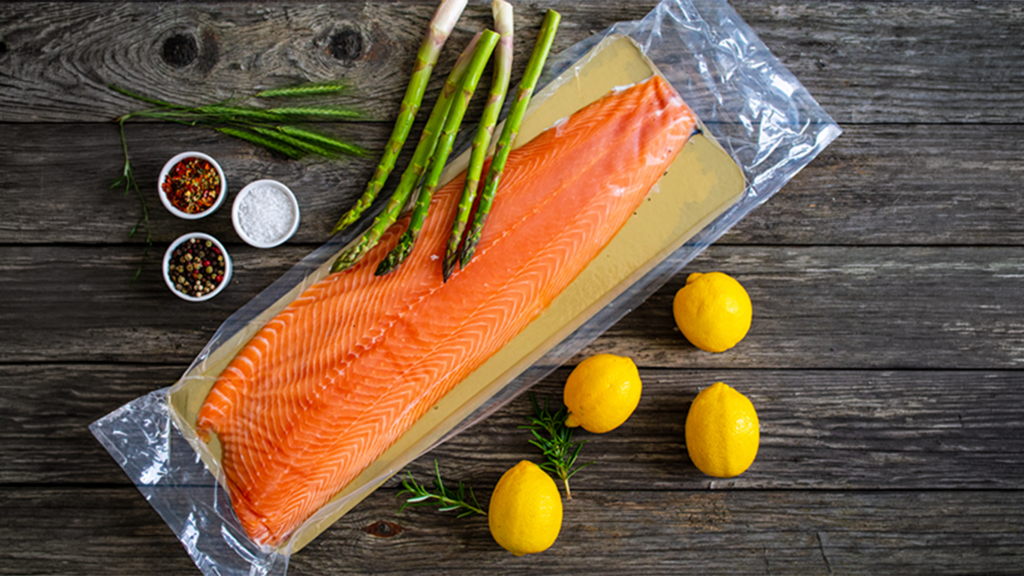
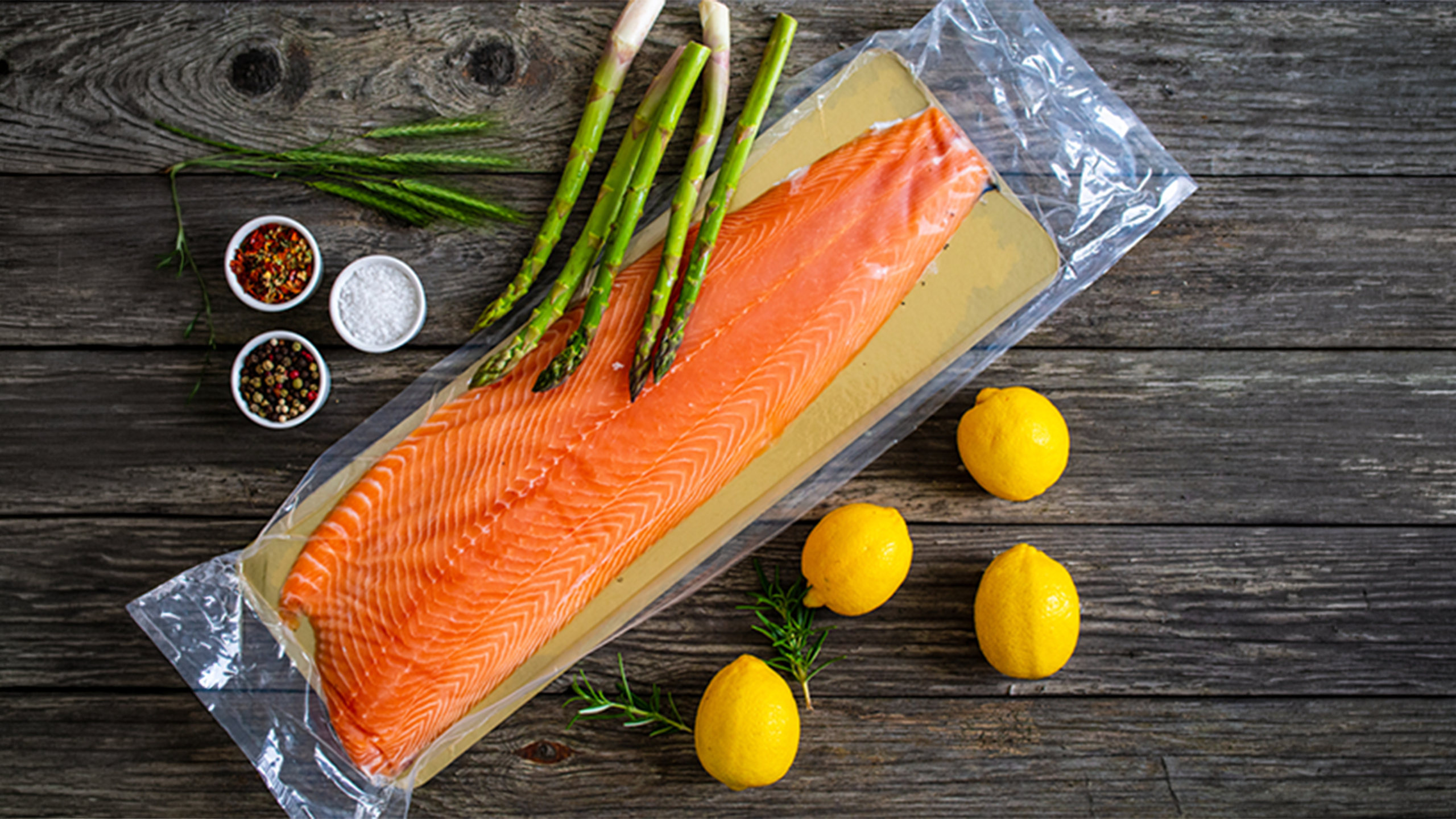
Conversely, barrier properties are required where Modified Atmosphere Packaging (MAP) is used to keep added gases, which help preserve food, within the food pack. Many types of food-contact-approved materials are used in MAP and are therefore available with barrier properties including vacuum pouches, flow pack film, thermoforming films, lidding film and vacuum skin packaging.
Materials like multilayer films are common because they create strong barriers.
3. Cleanliness and hygiene
Production of food-grade flexible packaging happens in controlled environments to avoid contamination. Non-food packaging doesn’t always require that level of cleanliness.
To ensure that every batch complies with this strict requirement, the packaging supplier should be able to batch trace all of their materials, so any batch linked to an infringement can be withdrawn if needed. YPS and our materials partners are fully BRCGS accredited for exactly this reason — see how we work.
4. Durable and Sealable
The mechanical performance of the packaging material needs to ensure that the pack resists ingress of contaminants through any hole or gap in it. Particularly, it therefore needs to be:
- Durable (resist punctures and tears, especially for sharp or unusually shaped items, such as bone-in meat products)
- Sealable (it must create a durable seal that will not break open and be compatible with any tray to which it is sealed)
5. Chemical resistance
The packaging material must be suitable to handle the food types it’s intended to carry without breaking down or reacting. This applies to any foodstuff that potentially could cause a reaction such as acidic foods like tomato sauce, fatty produce such as cheese or other dairy products or foodstuffs containing alcohol.
6. Shelf-life extension
Food-grade flexible packaging is designed to actively preserve freshness, sometimes using:
- Vacuum sealing
- Modified atmosphere packaging (MAP)
Materials are available that are designed with these particular uses in mind and which provide the highest level of performance in these applications. In th case of vacuum pouches they are specifically designed to be used with a dedicated vacuum packaging machine.
7. Temperature resistance
Some food products are expected to be stored in chilled or freezing temperatures or microwaved or cooked in their supplied packaging. In these applications, the packaging material must be a specialist specification that does not become brittle, break down, melt or burn in use.
8. Traceability and regulation
Food packaging materials must be traceable through the supply chain and clearly documented. Packaging suppliers are able to sign up to the BRCGS Global Standard Food Safety and their membership of this scheme denotes that they adhere to the highest levels of traceability for their products.
In summary, food-contact-approved packaging materials are specially engineered to protect and preserve food products by:
- Remaining inert – neither reacting to the external environment nor to the foodstuff itself
- Creating a barrier – by remaining intact throughout the product’s storage and transit and, for some products, being totally gastight
- Resisting temperature change – for products designed to be frozen, chilled or cooked in-pack
Reviewing your food packaging
The YPS Team includes experts in food packaging materials who are happy to review your application and your current material specification and advise on the most appropriate solution.
Working with specialist suppliers, we can source the latest innovations in food packaging for you. Our team can source samples for testing and assist with your trials prior to making changes.
Many specialist food packaging solutions are kept in our UK warehouse, for fast delivery across the UK and Ireland.
Contact the team today to discuss your food packaging requirements.
FREQUENTLY ASKED QUESTIONs
Find out more about YPS’ food packaging materials by reading the Frequently Asked Questions we’ve compiled.
Accordion Content
Food-grade film is tested for low chemical migration, made in controlled hygienic conditions, fully batch-traceable and specified for the right barrier and temperature performance. Standard film is not held to these requirements.
MAP replaces the air inside a pack with a protective gas mix to extend shelf life. It needs a high-barrier film and a reliable seal so the gas stays in and oxygen stays out.
It shows a supplier meets strict standards for hygiene, quality and full batch traceability — so any non-compliant batch can be identified and withdrawn if needed.
Yes, with the right specification. Specialist films are engineered to stay flexible when frozen or to withstand microwaving or cooking in-pack without becoming brittle, melting or burning.