Moving from manual to automated bagging is managed successfully by planning around five things: how the machine integrates with your existing line, how it handles your product range, when it is installed, how operators are trained, and the full lifetime cost — not just the machine price. With the right supplier support, each of these is straightforward to resolve.
Below, we discuss factors to consider, ensuring a smooth rollout:
1. How do you successfully integrate automated bagging with existing production processes?
- Implementing a new packaging system may involve more than the bagging system itself. For example, conveyors, weighing systems, additional controls may all be desired as part of a fully automated system. However, bagging machines can be implemented as standalone items if preferred and a full system can be implemented later, a step at a time.
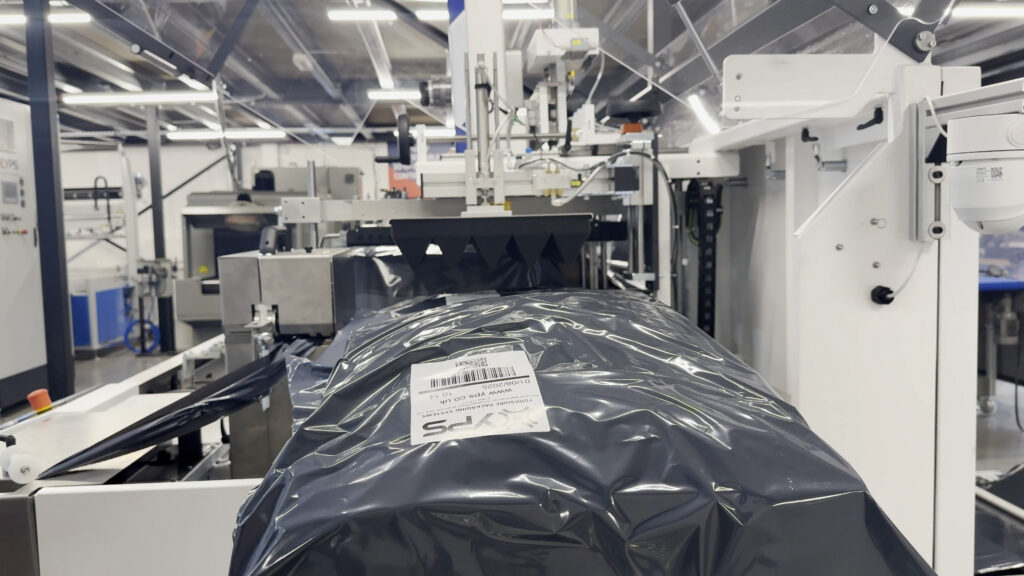
- Existing production equipment can also be integrated with new bagging equipment. Many models are very simple to integrate and suppliers will be able to explain how this will work. Our horizontal bagging machines are Industry 4.0-ready, so full integration with ERP systems comes as standard.
- Design of production layouts needs consideration to accommodate new equipment. We recommend partnering with a supplier with a wide range, who offer configurations suited to your factory, for example flexible or compact models. Equally, an engineering team who lead installation will be vital in creating a final layout that works efficiently.
2. How can you specify for product variability?
For factories and contract packers handling multiple bag sizes, weights, or product types, there may be concerns that automated processes will struggle to cope with that complexity and therefore their benefits will not be fully realised.
Modern bagging systems are far more flexible than this. Concerns relating to frequent changeovers, more complex machine programming and reduced efficiency during setup periods can all be allayed by specifying a system that can handle variability with ease.
Look out for:
- Models which allow for fast, easy changeovers.
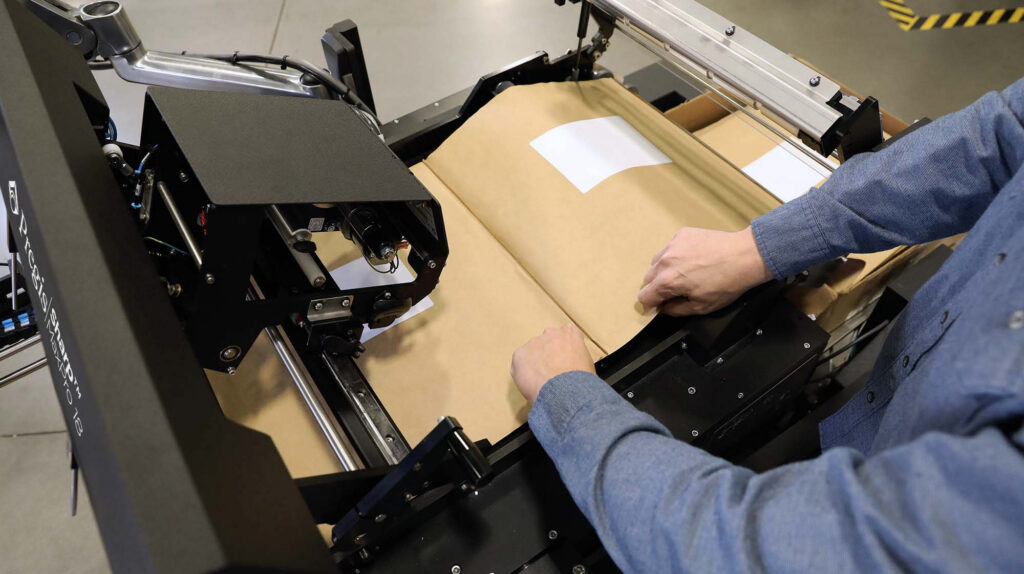
- Simple, intuitive HMIs, such as those featured in the vertical bagging systems YPS supplies, which make training for these fast.
- Adjustable bag size, so the system adapts the bag for best fit for each order as they pass through the system. YPS’ horizontal systems offer these features.
3. How do you keep production running through the transition?
Production Managers may be concerned about a temporary loss to production whilst the new equipment is installed and commissioned.
To minimise disruption, the following could be considered:
- Work with the machine supplier prior to installation to trial products with the new system and agree on an ideal machine set up for your products. This way, the new automated bagging system can hit the ground running.
- Agree an installation and commissioning timetable that takes account of peak periods or even peak days or times, avoiding those. Weekend or late-night installation should be possible too.
4. How can you support workforce acceptance?
Employees may be concerned about changes to their roles and about how difficult the new automated bagging equipment might be to operate. Involving operators early in the changes and fully explaining the benefits of automation, including the reduction of repetitive tasks, can help with this.
In addition, automated systems can be supplied with both supportive features built-in and with added backup and support to overcome workforce fears and keep teams onside through the changes:
- Simple HMIs that operators will find intuitive to learn and operate. YPS supplies bagging machinery that features smartphone-style operation, for user familiarity.
- Built-in troubleshooting to correct teething troubles swiftly is extremely helpful. YPS supplies models that include video instructions to cover this.
- Full operator training programs at installation are fundamental to user confidence with a new system. The YPS Engineering Team deliver free, unlimited training for every machine install.
- Access to advice from experienced engineers throughout the machine life. For example, YPS’ Engineering Team continue to support customers following the installation of the bagging system.
5. How is data managed by an automated bagging system?
Ecommerce systems must handle data securely and correctly. This ensures compliance with GDPR. It also ensures correct labelling, reducing errors and the associated costs with them.
Examining the way an automated bagging system will process the data, prior to specification, helps manufacturers ensure they get the right level of data protection built-in, for example systems that feature one-in-one-out data processing.
Further, systems that are designed to integrate with the production facility’s existing ERP will feature advanced data management. Your bagging system supplier will be able to advise on the level of integration featured in the bagging system.
6. What does an automated bagging system really cost?
For a clear understanding of ROI, all project costs should be considered, with them being viewed over the machine lifetime. This could include:
- All equipment, including additional machinery such as conveyors, weighing scales etc, not just the automated bagging machine. This might also include adaptations to current production lines and to facilities.
- Charges for installation, trials and training. Some suppliers, such as YPS, will include this.
- Ongoing service and maintenance. Often this is difficult to judge, if the intention is to purchase this service on an ad-hoc basis. To budget more easily for this, ongoing service contracts could be purchased. In contrast, YPS include a free service contract with every machine sale.
Whilst costs may seem high when totalled up, often the payback period for automated bagging systems is surprisingly short. The faster speeds, increased throughput and reduced costs achieved by automation can be significant.
Typical Benefits Once Challenges Are Overcome
Once the transition has been completed successfully, manufacturers typically begin to see improvements across productivity, quality and operational efficiency, including:
- Higher throughput.
- More consistent bag weights and quality.
- Reduced labour costs.
- Improved worker safety.
- Better production data and traceability.
- Easier scaling of production capacity.
Ongoing Maintenance and Reliability
For long-term realisation of these benefits, we would recommend committing to a programme of routine maintenance. As with all production equipment, this is vital in ensuring that machines run optimally and deliver well over the long term. A service contract is included with every machine sale from YPS for exactly that reason and to ensure complete peace of mind.
Ready to automate your bagging operation?
Although transitioning from manual to automated bagging may appear daunting, the right planning, equipment and supplier support can make the process straightforward. By selecting machinery that suits your products and production goals, integrating it effectively with existing production processes and investing in operator training, manufacturers can minimise disruption while unlocking significant long-term productivity gains.
If you’re considering making the move from a manual bagging operation to an automated system, YPS’ experienced and knowledgeable automated packaging specialists would be happy to discuss your requirements and challenges.
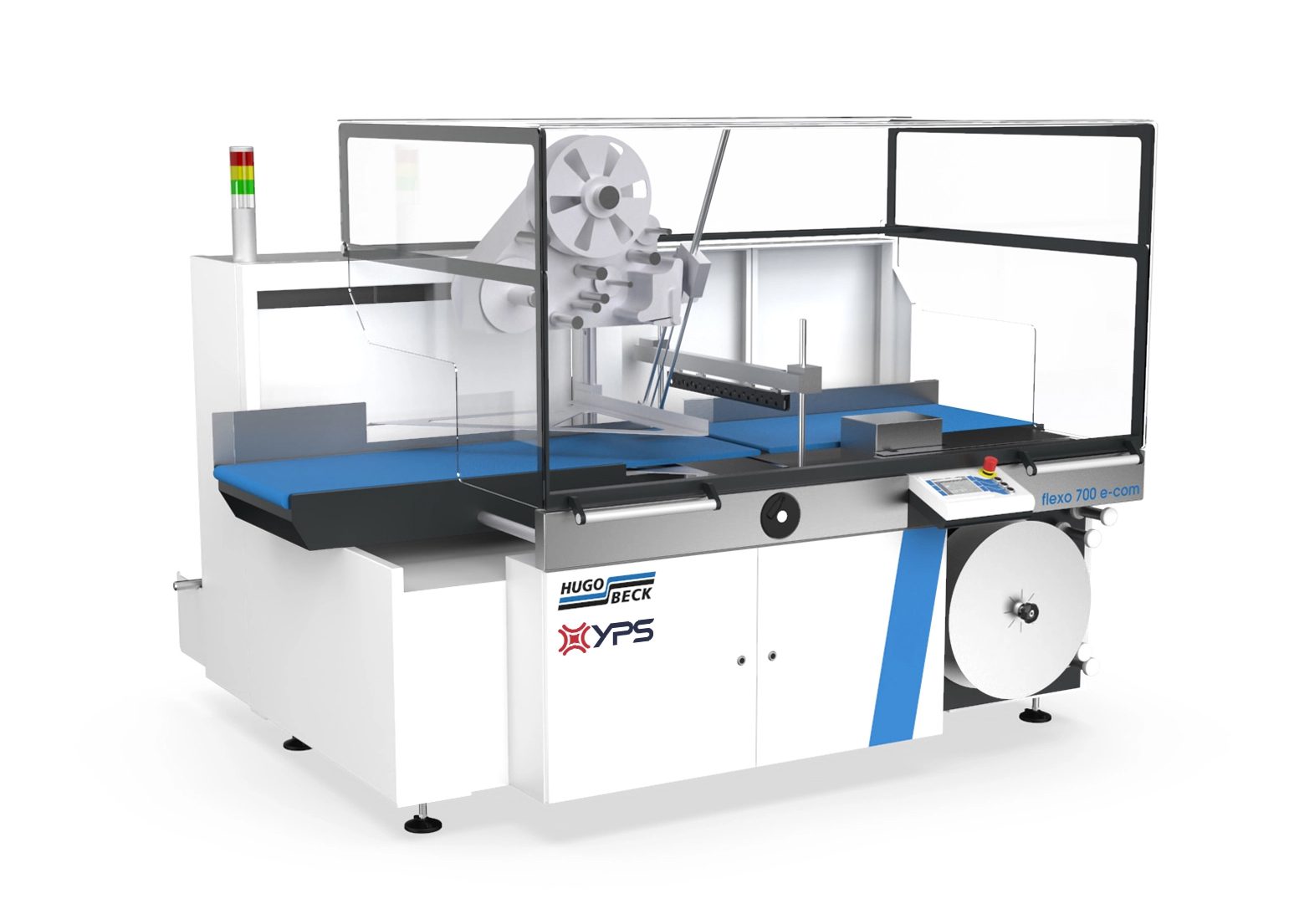
Equipment to automate packing and labelling products for mail fulfilment, reducing reliance on manual labour and increasing packing accuracy.
- Designed to maximise efficiency, throughput, and accuracy
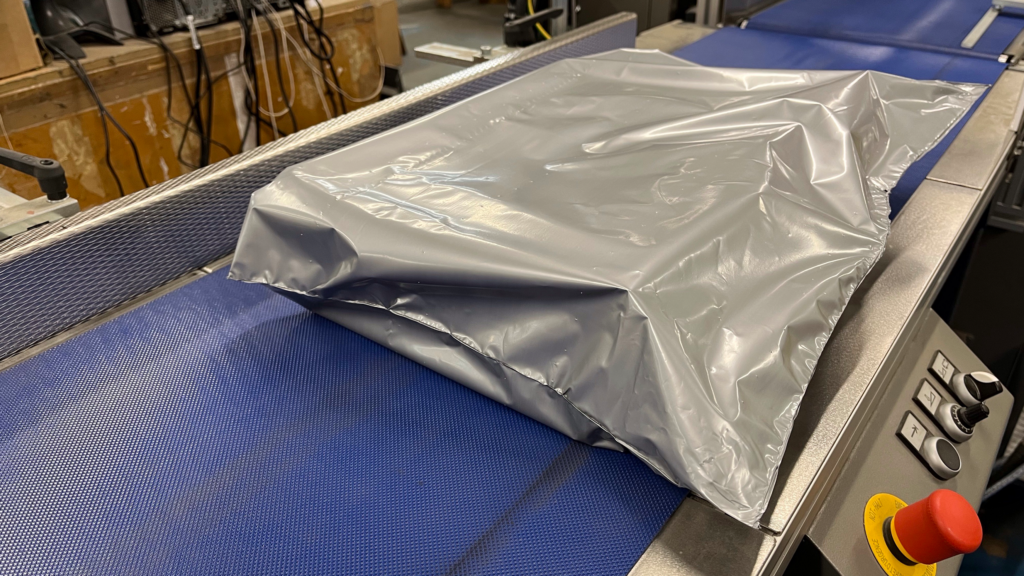
- Horizontal and vertical bagging machines with a wide range of features
- Secure all-in one solutions
- Automated or semi-automated systems
- Can be used with plastic or paper materials