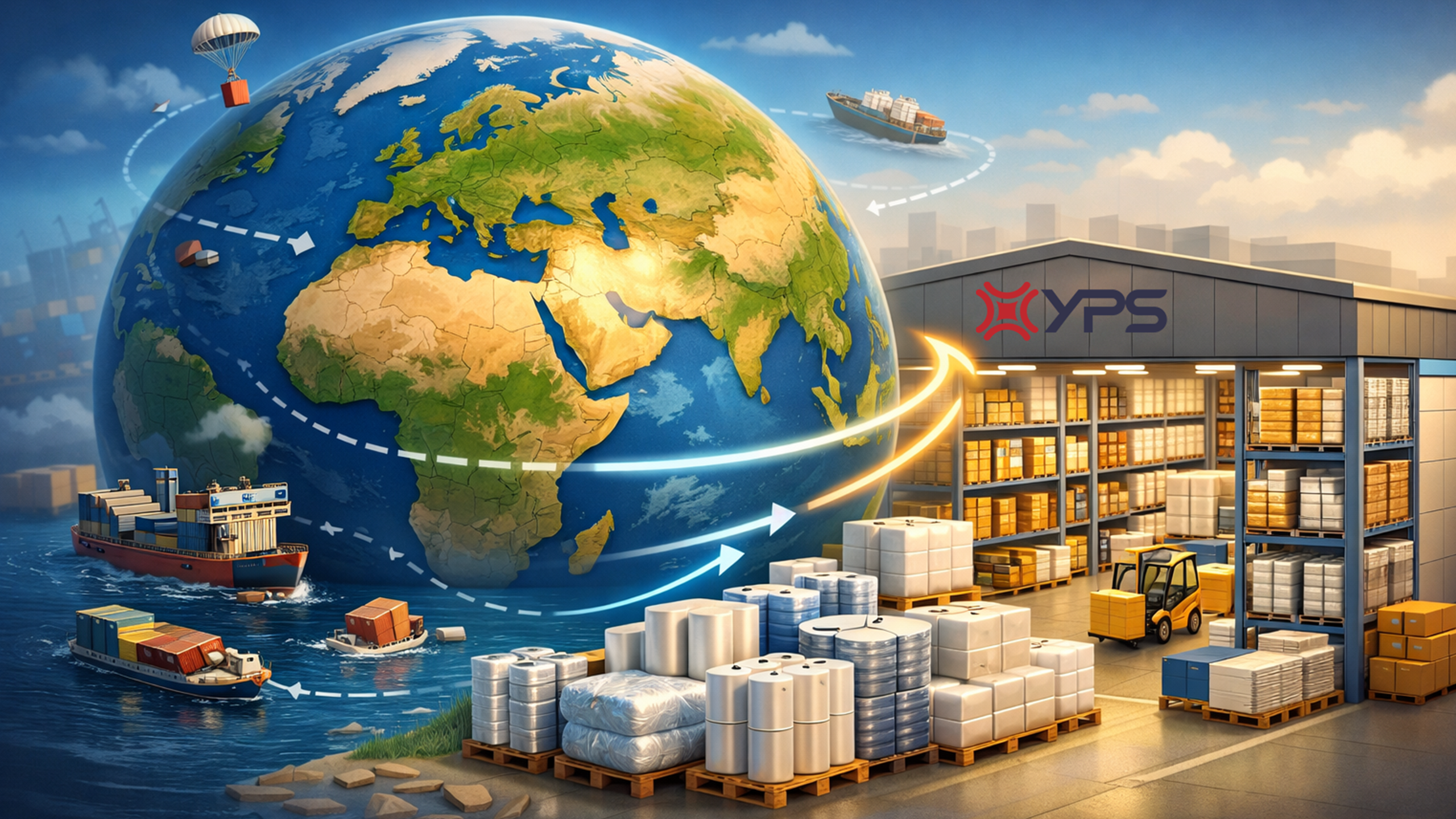
Global geopolitical instability continues to present real challenges for manufacturers and logistics providers alike. The ongoing conflict involving Iran is one such development that is already influencing supply chains—particularly for businesses reliant on flexible packaging materials. For organisations operating automated packaging systems, understanding these risks and planning accordingly is critical.
Understanding the Iran Conflict and Its Impact on Packaging
When Did It Start?
Tensions involving Iran have spanned decades, but the current escalation traces back to heightened military and political confrontations in the Middle East during the early 2020s. Periodic flare-ups have intensified into more direct and sustained conflict in recent years, creating renewed uncertainty across global markets. The current phase of direct military action began on 28 February 2026 – and it’s impossible to accurately predict when it might cease.
Which Countries Are Impacted?
The situation primarily involves Iran and opposing regional and international forces, including:
- The United States and allied Western nations
- Regional actors such as Saudi Arabia and Israel
- Various non-state groups operating within the region
These overlapping interests make the conflict complex, with both direct and indirect global implications.
The fuel shortages resulting from the current Iran conflict are not confined to one region—they are affecting a wide range of countries globally, with the most severe impacts concentrated in energy-importing nations, particularly in Asia and, increasingly, Europe.
While geographically concentrated, the effects are global due to the region’s importance in energy supply and international shipping, especially as key maritime routes used for global trade have been affected.
The Strait of Hormuz: A Critical Chokepoint for Packaging Supply Chains
Why Is the Strait of Hormuz Important for Packaging Materials?
The Strait of Hormuz is one of the most strategically significant shipping routes in the world. Approximately 20% of global oil supply passes through this narrow waterway. It serves as a vital link between oil-producing nations in the Gulf and international markets.
Who Is Affected?
Restrictions or disruptions in this passage impact:
- Oil and gas exporters in the Middle East
- Global energy markets
- Manufacturers reliant on oil-derived packaging materials
In addition to crude oil, the Strait also facilitates the movement of petrochemicals—key inputs for plastics shrink film packaging, and other flexible packaging products.
What Is the Debate?
The central issue revolves around control and access. Iran has, at times, threatened to restrict or close the Strait in response to political or military pressure. Opposing nations argue for maintaining free navigation to ensure global economic stability.
Is There a Timeframe for Reopening?
There is currently no clear or guaranteed timeline for stability or unrestricted access. The situation remains fluid, and businesses should plan for continued volatility rather than a quick resolution.
Why This Matters for Flexible Packaging and Packaging Materials
Flexible packaging materials—particularly plastic films—are heavily dependent on oil-based raw materials. As such, disruptions in oil supply chains have a direct impact on production and pricing across the packaging materials sector.
How Is the Iran Conflict Affecting Packaging Material Prices?
There are three key impacts being felt across the industry:
1. Raw Material Scarcity
Restricted oil flow reduces availability of petrochemical feedstocks used in shrink film production. This can lead to shortages at the manufacturing level.
2. Production Constraints
Even where manufacturing capacity exists, limited access to raw materials can slow or halt production lines, affecting everything from food packaging materials to industrial packaging films.
3. Price Volatility
Where materials remain available, costs are rising sharply:
- Increased raw material costs are passed through the supply chain
- Scarcity enables manufacturers to command higher prices
- Market instability leads to speculative pricing
In fact, some distributors have already reported price increases of up to 100% on certain flexible packaging materials.
Securing Your Packaging Supply with YPS
In an environment where supply is uncertain and costs are rising, proactive supply chain management is essential. YPS is well-positioned to support manufacturers and logistics providers through this disruption.
What YPS Offers to Protect Your Packaging Supply
Significant UK Stockholding
YPS holds over £6 million worth of flexible packaging materials in the UK, across a wide range of specifications including shrink films, bagging materials, stretch films, and food packaging films. This enables rapid response to urgent requirements.
Supply Security Planning
We work with customers to:
- Reserve stock in advance
- Secure forward supply agreements with manufacturers
- Reduce exposure to market volatility
Material Flexibility
Where specific materials are in short supply, we can:
- Recommend compatible alternative films
- Optimise specifications for availability without compromising performance
Take Action Now – Protect Your Packaging Operations
Waiting for stability in global markets is not a viable strategy. Businesses that act early to secure supply will be better positioned to maintain operations, control costs, and meet customer demand.
If your operations rely on flexible packaging, now is the time to review your supply strategy. Engage with YPS to discuss your requirements and explore how we can help safeguard your packaging supply chain.
Get in touch today to secure your materials and protect your operations from ongoing disruption.